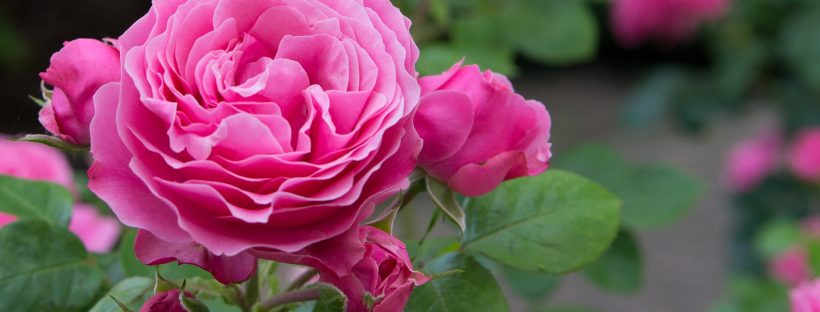
roses in flower

Garden Jobs in June

June is a wonderful time in the garden, the weather is warmer and it’s encouraging flowers to appear in abundance. Here are a few tasks to keep on top of at this time of the year:

Flowers

  • Stake plants that are prone to flopping;
  • Continue planting summer bedding in pots and borders, watering them regularly to help plants establish quickly;
  • Tie in new stems of climbing and rambling roses horizontally to supports, this will encourage more flowers;
  • Give a liquid feed to pots and hanging baskets every few weeks to encourage flowering;
  • Prune late-spring or early-summer shrubs after flowering, such as Kerria and Philadelphus, and thin out any older stems;

Fruit and veg

  • Plant out sweetcorn after hardening off, arranging plants in blocks to assist with pollination;
  • Cover ripening fruits with netting or fleece to protect them from hungry birds;
  • Water vegetables and fruit in containers regularly, especially during dry sunny weather;
  • Go on regular snail and slug hunts, especially on damp evenings, to reduce numbers;
  • Apply tomato feed regularly to fruiting vegetable crops, including tomatoes, courgettes, and chillies;

Greenhouse

  • Sow biennials such as foxgloves and wallflowers in seed trays;
  • Shade greenhouses to keep temperatures down on hot days and open vents and doors on warm days. Damping down your greenhouse on hot days will help with increasing humidity;
  • Sow herbs such as coriander, parsley and basil in pots to grow on the kitchen windowsill;
  • Pinch out the side-shoots of cordon tomatoes regularly and apply a weekly feed;
  • Water plants daily in warm weather, ideally in the evening or early morning. Avoid splashing the foliage as sunlight can burn leaves with water sitting on them;
  • Introduce biological controls to the greenhouse if you have pests such as whitefly or red spider mites;
  • Harden off hanging baskets and pots of summer bedding that have been growing in the greenhouse;
  • If your strawberries need a little help ripening, bring them in to the warmth of the greenhouse. This will also protect them against bird, slug and snail damage;

Garden maintenance

  • Keep weeding and dead-heading plants to ensure your borders stay looking at their best;
  • Continue watering any new plants until they’re well established;
  • Water newly laid lawn regularly, for at least the first month;
  • Before starting any trimming or pruning tasks, check hedges and shrubs for nesting birds in order that you don’t disturb them;
  • Treat pots with vine weevil control if you’ve previously had problems with this pest. The larvae become active this month, feeding on plant roots, particularly in pots, and the adults feed on the leaves;
  • Dig out perennial weeds such as dandelions as soon as you spot them;
  • Feed lawns with a liquid or granular lawn fertiliser;
  • Remove pond weed as it can quickly get out of control as the weather gets warmer;
  • Place houseplants outside for the summer in a warm, sheltered spot to enjoy the fresh air and extra light;

Phlox flower

The ‘Chelsea chop’

Chelsea chop
The Chelsea chop (so-called because it is usually carried out at the end of May, coinciding with the RHS Chelsea Flower Show) is a useful pruning technique that helps control the size, shape and flowering time of certain summer-flowering herbaceous plants. Late May or early June is the perfect time to do it.

Plants that respond well to the Chelsea chop include:

Achillea
Aster
Echinacea purpurea
Helenium
Phlox paniculata
Sedum

Many other summer and autumn-flowering perennials can be treated similarly. The degree of cutting back is specific to each species but the closer to flowering time you prune, the greater the delay in flowering. Doing the ‘Chelsea chop’ can delay the flowering of perennials by four to six weeks. You can either prune all the stems on a clump, which delays all the flowers, or just half of them, which spreads the plant’s flowering over a longer period. This can have some positive results:

The plants are not so tall and leggy
They need less staking
The flowers are smaller but more numerous

This happens because the removal of the top shoots enables the side shoots to branch out (the top shoots would normally inhibit the side shoots by producing hormones in a process called apical dominance). Using this method, along with regular feeding and watering, ensures beds and borders look tidy throughout summer.

To carry out the Chelsea chop:

Use sharp, clean secateurs to cut back the stems of perennials by one-third or a half, making a sloping cut just above a leaf joint.
If you have several clumps of one plant, try cutting back a few, but leaving others. This will prolong the overall flowering time
Another method is to cut half the stems back at the front of the clump, extending the flowering season rather than delaying it.

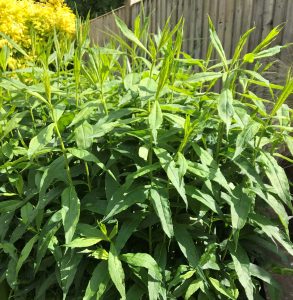
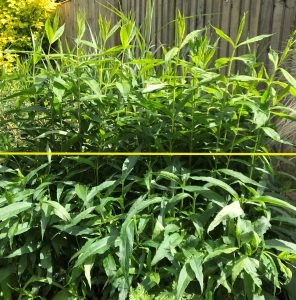
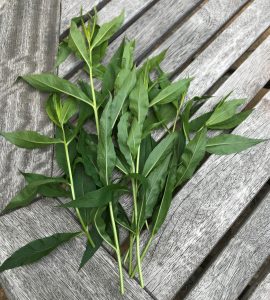
Here’s an example of a Phlox paniculata that I cut back half of the foliage in late May this year:

Phlox paniculata

Phlox paniculata prior to carrying out the Chelsea chop

Phlox paniculata

Phlox paniculata after carrying out the Chelsea chop

Phlox paniculata

Phlox paniculata cut stems after carrying out the Chelsea chop

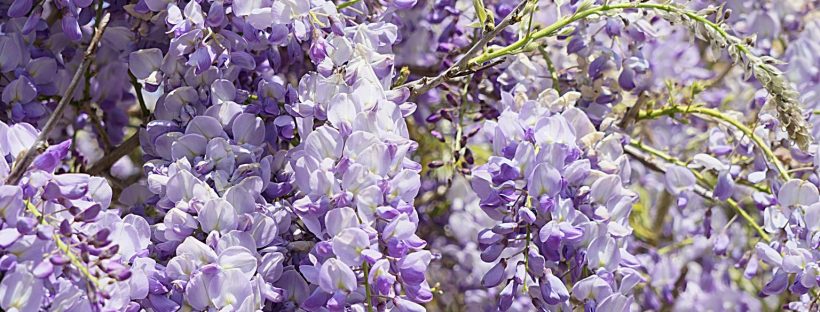
Wisteria flowers

Garden Jobs in May

Spring is well underway now, which means there are plenty of gardening tasks to be getting on with. Spring bulbs are making way for summer flowers, with the promise of more colour to come.

Get stuck into these gardening jobs this spring in order to get your garden neat and tidy for the growing season ahead.

Flowers

  • Deadhead tulips, daffodils and other spring bulbs and feed with a liquid fertiliser to encourage a good display next spring;
  • Remove faded spring bedding such as wallflowers and forget-me-nots and add to the compost bin;
  • Do the ‘Chelsea chop’ (which is towards the end of May). Take the secateurs to later-flowering herbaceous perennials such as Sedum’s. Prune about a third of the stems by a third, another third by two thirds. This delays flowering in those stems, and increases the overall flowering season;
  • Prune spring shrubs, such as forsythia and Ribes, after flowering to keep them compact;
  • Tie in the new shoots of climbing plants such as clematis and honeysuckle to their supports;
  • Plant up hanging baskets, but keep them in a greenhouse for a few weeks to in order to establish, before putting them outside;
  • Sow some fast-growing annuals to fill in gaps that may appear later in the season;
  • Check lilies and fritillaries for lily beetles and their larvae, as they can quickly strip plants of all foliage;
  • Pinch out the shoot tips of bedding plants and young annuals to encourage bushier growth.

Fruit and Veg

  • Protect crops from carrot fly by covering with horticultural fleece;
  • Earth up potatoes, covering the shoots with soil as they appear;
  • Reduce snail populations by going on regular evening hunts, especially during damp weather or use the biological alternative – Nemaslug;
  • Start sowing dwarf and climbing French beans as well as runner beans directly outdoors in warm weather;
  • Thin out seedlings from earlier sowings to ensure you get healthy, strong-growing plants;
  • Keep plenty of fleece handy to protect young seedlings if late frosts are forecast.

Greenhouse

  • Water crops such as tomatoes, cucumbers and courgettes regularly as the weather starts to warm up;
  • Tie the stems of indoor tomatoes to canes as they grow;
  • Closely inspect plants for pests and diseases on shoot tips and the underside of leaves. Early prevention is easier than curing an infestation;
  • Open doors and vents on warm days and remember to close them in the evening as nights can still be cold;
  • Keep pricking out seedlings as soon as they get their first true leaves, to avoid overcrowding and fungal diseases;
  • Start to harden off tender plants and bedding, ready for planting outside after the last frost.

Garden maintenance

  • As the weather gets warmer, pond weed can quickly get out of control if left, so now is the time to scoop it out;
  • Apply nitrogen-rich summer lawn feed to encourage leafy growth.
Spring Flowers

Garden Jobs in April

Spring is finally in evidence as daffodils, tulips and blossom on the trees start to appear. If the weather continues to improve this month, take a few moments to enjoy being outside in your own garden as this could be the month that lifts our spirits and encourages us all to get out into our own gardens.

Flowers

  • Sow hardy annuals, such as Marigolds, Poppies, Cosmos etc;
  • On warm still days, place seedlings that have been started indoors outside to harden them off. Place them outside during the day, but take them in again later in the day before it gets too cold. Repeat this process for about a week or so for them to acclimatise;
  • Protect the new shoots of hostas and other vulnerable plants from slugs and snails;
  • Deadhead spring bulbs and bedding so that they don’t waste energy setting seed;
  • Sweet peas can now be sown outdoors at the base of supports;
  • Spray the new leaves of roses with a fungicide to control mildew, rust and blackspot;
  • Prune hydrangeas, cutting back the old stems to a healthy shoot lower down;
  • Divide and replant mature clumps of hardy perennials;
  • Plant Lily bulbs straight into the ground, adding grit at the bottom of the planting hole for drainage on heavy clay soils.

Fruit and veg

  • Plant maincrop potatoes;
  • Place cardboard collars around the stems of brassicas to deter cabbage root fly from laying their eggs;
  • Sow small batches of salad leaves;
  • Sow flowering companions in the veg plot, such as pot marigolds and borage;
  • Protect emerging seedlings from slugs and snails;
  • Sow fast-growing crops, such as radishes, to make the most of any temporary gaps.

Greenhouse

  • Prick out seedlings growing in pots and trays as soon as they produce their first true leaves;
  • Transplant greenhouse tomatoes into growing bags or large containers and tie in the stems to supports;
  • Plant up hanging baskets and pots with summer bedding, but keep them inside until after the last frost;
  • Sow runner beans, French beans, cucumbers, courgettes etc;
  • Clean greenhouse glazing to let in as much light as possible;
  • Open greenhouse doors and vents on warm days, to improve air circulation.

Garden maintenance

  • Place a bag of barley straw in ponds to discourage algae and help keep the water clear;
  • Lay turf or sow grass seed to create a new lawn and repair damaged patches;
  • Keep on top of annual weeds emerging with a hoe as they grow rapidly at this time of year.
  • Only hoe on dry days – this way any weeds that you hoe will die off and wilt quickly;
  • Treat moss and weeds in turf with lawn weedkiller, and boost growth with a nitrogen-rich lawn feed.
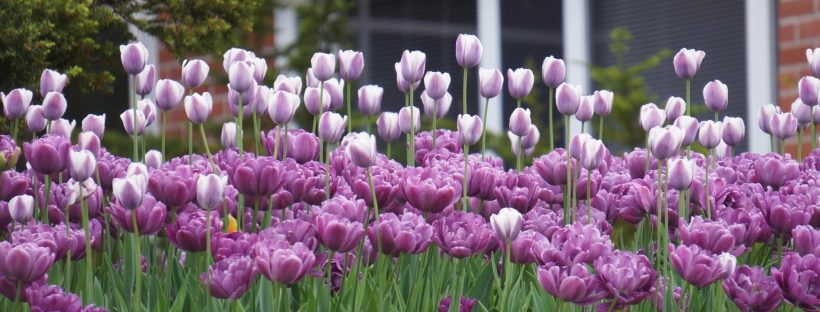
Purple Tulips

Bulb Planting Season

With the autumn-planting season just around the corner, garden centres and on-line retailers are now stocking spring-flowering bulbs. If you want to ensure that you have the variety you’re after, then now is the time to purchase them.

What to look out for
Try to get big, firm bulbs, as usually the larger they are, the better they flower. Avoid any that are soft or have mould growing on.

Crocuses in Spring timeWhen to plant spring bulbs?
Autumn is the best time to plant spring bulbs as the soil is still warm. Ideally, bulbs such as daffodils, crocus, muscari and hyacinths should be planted by the end of September if you want them to flower early next year.


Purple TulipsTulips should be planted a little later in autumn, so aim to wait until November when the soil is cold and this will help to avoid any potential viruses that may be lurking in the soil.
I often plant tulips in pots as this means that after flowering, when there is just the messy foliage left, they can be replaced by something else to extend the flowering season.


allium flower


You can leave planting of Alliums until early in December to ensure that they flower over summer the following year.


If planting in a border:

  • Dig a hole wide and deep enough for your bulbs. Most bulbs should be planted two to three times their depth. For example, for a bulb measuring 5cm high, dig a hole 10-15cm in depth and place the bulb in the bottom of it.
  • Ensure that bulbs are placed in the hole with their growing tip facing upwards. If you don’t see a pointy side, look for where the roots are coming out. Sometimes it’s not always obvious, in which case planting them on their side will ensure the shoot grows towards the surface. Space them at least twice the bulb’s own width apart.
  • Cover with soil and gently firm in.
  • If the ground is moist there is no need to water, otherwise water straight after planting.
  • Squirrels often love to dig up freshly planted bulbs. If you think this may be a problem, weigh down some chicken wire over the area to protect the bulbs.

Planting in a container:

  • Use a mix of three parts multi-purpose compost with one part grit as this will help with drainage.
  • Before planting, check that the bulbs are healthy and showing no signs of rot. Plant the bulbs three times their depth and one bulb width apart.
  • Water after planting, ensuring that they don’t dry out. Once you start to see active growth, ensure that they are regularly watered. It will also help at this stage that you start to feed them with a liquid tomato feed. Once they have finished flowering and the foliage begins to die back, stop feeding.

If you find that after buying your bulbs, you forget about them or haven’t had the time to plant them, don’t worry too much. Plant them as soon as you remember. I’ve planted Alliums in late January some years, they will still flower but perhaps just a little later than expected.