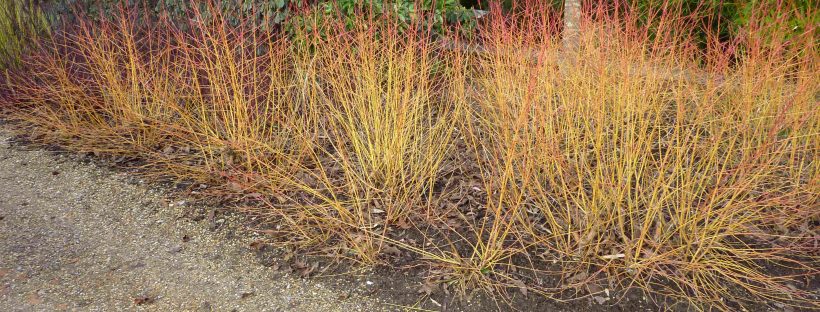
Cornus sanguinea 'Midwinter Fire'

Garden Jobs in January

January is the perfect time to step outside, breathe in the fresh air, and shake off those festive indulgences. Beyond the exercise, it’s a wonderful month for dreaming – ordering seeds and planning your garden’s evolution for the year ahead.

Here’s a list of important jobs to be getting on with this month:

Flowers

  • Take root cuttings of perennials such as oriental poppies, Acanthus and Verbascum
  • Clear away collapsed stems of perennials
  • Take hardwood cuttings from deciduous shrubs such as forsythia and willow
  • Deadhead winter bedding regularly
  • Continue pruning climbing roses whilst they are dormant
  • Protect plants that are vulnerable to wind and cold
  • Clear out the crowns of plants of damp leaves to prevent rotting

Fruit and Veg

  • Cover soil with fleece or cloches to warm if you plan to sow early crops
  • Prune apple and pear trees to remove any dead, damaged and diseased branches
  • Cover rhubarb plants with a bucket or terracotta pot to force an early crop of tender long stems
  • Order seed potatoes, onions, shallots and garlic bulbs for planting in spring

Greenhouse

  • Give the greenhouse a top-to-bottom clean
  • Sow winter salads in a greenhouse or on a sunny windowsill and they will be ready for harvesting within a few weeks
  • Move strawberry plants in pots under cover to encourage early fruits
  • Check overwintering plants regularly for pests and moulds and take action where necessary
  • Bring potted peaches into the greenhouse to avoid leaf curl disease
  • Ensure the greenhouse is kept frost free by installing a thermostatically controlled fan heater
  • Start sowing seeds of hardy annuals in pots or trays for early flowering
  • Ventilate the greenhouse on sunny days to prevent humidity from building up

Garden Maintenance

  • Top up bird baths with fresh water daily
  • Clean out and scrub bird feeders regularly to maintain hygiene
  • Provide high-energy food for birds to help them through the winter months
  • Keep small areas of ponds free from ice
  • Repair any damaged fences and trellis
  • Service the lawn mower whilst it’s not in use
  • Clean and sharpen your tools, including hoes, secateurs and shears, and spray metal tools with oil
  • Give empty pots and seed trays a thorough scrubbing ready for the start of the sowing season
  • Order seeds and summer flowering bulbs
Callicarpa bodinieri 'Imperial pearl'

Garden Jobs in December

December in the garden: Embrace the Structure and Winter Glow

As the days reach their shortest and temperatures settle, the garden enters a period of rest—but not entirely of stillness. While the layers of herbaceous perennials have receded, revealing the bare bones of the landscape, it’s the structure provided by evergreens and hardscaping that truly comes into its own. These elements provide essential stability and form throughout the seasons.

Don’t mistake the cold for a lack of colour! Stepping out on a clear, frosty, sunny day is still a pleasure. The winter garden offers its own unique palette, featuring the vibrant blooms of winter-flowering heathers and the cheerful yellow of Jasminum nudiflorum and Hamamelis mollis. Further colour is supplied by the jewels of the season: the berries of shrubs like Callicarpa and Ilex aquifolium (holly), and the stunning bark of trees such as Betula (birch) and the peeling cinnamon tones of Acer griseum.

Flowers

  • Continue to cut back faded herbaceous perennials and add them to the compost heap.
  • If the weather remains mild, you can still lift and divide herbaceous perennials. This will increase stocks and revive tired or poorly flowering clumps.
  • Root cuttings can be taken now, such as Papaver (perennial poppies), Phlox and Anemones.
  • Order seed catalogues, if you have not done so already, to select next year’s bedding and perennial choices.
  • Bring forced bulbs into a warm room to encourage them to flower.

Fruit and veg

  • Place straw around the base of parsnips to prevent soil freezing, which can make harvesting difficult.
  • Winter prune large fruit trees to control their shape and size, and to increase fruiting productivity for next year.
  • Plan next year’s crops and order seeds.

Greenhouse

  • Pick faded leaves and dead flowers regularly from plants overwintering in the greenhouse, such as pelargoniums.
  • Check that greenhouse heaters are working.
  • If the weather is mild, ventilate the greenhouse.

Garden maintenance

  • Scoop fallen leaves and debris from ponds, leave them on the side so pond life can escape, and then add them to the compost bin.
  • Insulate outdoor taps and prevent ponds from freezing.
  • Protect terracotta pots from cracking in freezing weather by either bringing them indoors or wrapping them in bubble polythene.
  • Raise outdoor patio containers onto feet or bricks to avoid them sitting in the winter wet.
  • Rake up fallen leaves in borders that could be harbouring slugs and other pests.
  • Clean paths to prevent them from becoming slippery and repair sheds, fences and trellises.
  • Avoid walking on lawns covered with frost.
Autumnal Tree colour

Garden Jobs in November

Cool, misty mornings and the last leaves clinging to the trees make this a beautiful and melancholy time of year. Ensure you take time between tasks to make the most of this month.

Flowers

  • Plant the last of your autumn bulbs. Tulip bulbs can be planted in pots and borders. Ensure they are covered with at least twice their depth of soil or compost
  • Lift dahlia tubers after the first frost, clean them off and store them in dry compost in a cool, frost-proof place
  • Leave any faded seed heads on perennials and ornamental grasses for the birds to eat
  • Plant bare-root hedging, roses, trees and shrubs, before the weather turns too cold
  • Move any half-hardy plants that are growing in containers to a greenhouse for the winter
  • Check any stakes and ties to ensure they are secure

Fruit and veg

  • Prune autumn-fruiting raspberries to the ground after they have been harvested
  • Plant garlic, shallots and onions, then cover with fleece

Greenhouse

  • Insulate the greenhouse with bubble wrap
  • Check greenhouse plants regularly for any overwintering pests
  • Thoroughly clean greenhouse staging and glazing with disinfectant
  • Ventilate the greenhouse when the weather allows, particularly after watering and when paraffin heaters are used at night

Garden maintenance

  • Check bonfires carefully before lighting to make sure there isn’t any wildlife sheltering inside
  • Continue to mow the lawn if the grass is still growing and the weather is mild, but raise the height of the blades
  • Collect any fallen leaves, especially from lawns and ponds, and place them in bin bags. Add some water if the leaves are dry, and then puncture the bag with a fork. Leave them to decompose into leaf mould
  • Raise outside containers onto pot feet to prevent waterlogging, and wrap bubble wrap or hessian around pots outside to protect from frost damage
  • Mulch around the crowns of perennials to give them extra protection from the winter weather. This will also help to improve the soil structure
  • Try to keep off the lawn if the ground is frozen to avoid damaging the grass
pumpkins ready for Halloween

Garden Jobs in October

As the colours change and the evenings grow darker, the rhythm of the garden shifts. While we naturally spend less time lingering outside, October is not a time to rest; it’s a time to plan. Main activities will revolve around clearing up after summer and preparing for the winter and spring ahead.

Here is your October action plan to keep your garden in top condition:

Flowers

  • Plant drifts of spring bulbs informally in a lawn, such as crocuses and daffodils
  • Lift tender Cannas and Dahlias to avoid frost damage, dry off the tubers and store in cool dark conditions until spring
  • Plant up pots with winter colour, such as Cyclamen, Winter Pansies and Skimmia
  • Lift and pot up tender perennials to protect them over winter
  • Plant evergreen shrubs and conifer hedges while the soil is still warm
  • Collect seeds from hardy perennials and sow straight away
  • Take hardwood cuttings from ornamental trees and shrubs
  • Reduce the height of shrub roses to avoid wind-rock damage over winter

Fruit and veg

  • Take cuttings of shrubby herbs, such as Rosemary, Lemon Verbena and Thyme
  • Cover salad plants with cloches to prolong cropping
  • Plant garlic cloves in a sunny well-drained spot, 15cm apart, with their tip 5cm below the surface
  • Wrap grease bands around the trunks of apple, pear, cherry and plum trees to trap the crawling female winter moth
  • Cut autumn-fruiting raspberries down to the ground after harvesting
  • Order bare-root fruit trees and bushes for planting from late autumn to early spring

Greenhouse

  • Clean out the greenhouse to get rid of debris that can harbour overwintering pests and diseases
  • Wash greenhouse glazing to let in as much of the weaker autumn daylight as possible
  • Sow quick-growing micro-greens, such as kale and mustard, for nutrient-rich pickings in just a few weeks
  • Line greenhouse glazing with bubble insulation, as night-time temperatures start to drop
  • Water plants more sparingly as conditions turn cooler and the days get shorter
  • Sow sweet peas in deep pots for early flowers next summer
  • Inspect plants you bring into the greenhouse over winter for any pests and diseases

Garden maintenance

  • Rake up fallen leaves from lawns, borders, driveways and paths, and store in bin bags to rot down into leaf mould
  • Spike compacted lawns and brush either sharp sand or horticultural grit into the holes to help improve drainage
  • Apply an autumn lawn feed to revive the grass after the rigours of summer
  • Empty any pots that aren’t frost proof and store in a garage or shed over winter


Dahlia flowers

Garden Jobs in September

This month heralds the start of autumn. Although the days may be getting shorter and temperatures cooler, there is still plenty of interest in the garden, with hints of autumn colour to come.

Here are a list of jobs to do this month.

Flowers

  • Support tall late-flowering perennials
  • Deadhead and feed hanging basket displays to prolong flowering
  • Plant up containers for autumn interest, using cyclamen and other colourful bedding plants
  • Plant out spring-flowering biennials such as wallflowers, pansies and forget-me-nots
  • Plant spring-flowering bulbs
  • Collect seeds from your favourite plants
  • Bring tender potted plants under cover, or take cuttings
  • Start planting new trees, shrubs, climbers and perennials as the soil is still warm
  • Stop feeding trees and shrubs in containers
  • Last chance to force hyacinths for Christmas

Lawn Care
Now is a good time to carry out essential lawn maintenance to avoid waterlogging and compaction.

  • Scarify and aerate established lawns
  • Sand the lawn
  • Feed the lawn with an Autumn fertiliser
  • Reseed bare patches
  • Sow or turf new lawns

Fruit & Veg

  • Harvest marrows and the last courgettes
  • Lift maincrop potatoes, dry off and store
  • Plant out spring cabbage
  • Sow hardy greens such as winter lettuce and kale
  • Continue to harvest apples and pears, and pick autumn-fruiting raspberries
  • Plant onion sets, plant new strawberry plants and sow spring cabbage

Greenhouse

  • As light levels start to fall, remove any shading from your greenhouse towards the end of the month in order that plants receive the maximum amount of light
  • Close greenhouse vents and doors in late afternoons when cool nights are forecast in order to trap in heat overnight
  • Check greenhouse heaters are in good working order
  • Reduce watering and ventilation in the greenhouse
  • Continue to pick off faded blooms and dead leaves from plants before fungal diseases have a chance to take hold

Garden Maintenance

  • Start clearing autumn debris to prevent pests and diseases overwintering
  • Clean out water butts and check downpipe fittings in preparation for autumn rains
  • Remove algae from water features and net ponds to keep out autumn leaves
  • Net ponds to prevent leaves falling into them
August Flower border

Garden Jobs in August

Although this is traditionally the holiday season, it is important to keep on top of some of the routine garden jobs, such as deadheading, weeding and watering. This could be a dry month in which case watering is essential.

Here is a list of jobs to do this month.

Flowers

  • Summer prune wisteria after flowering by removing all the whippy side-shoots from the main branch framework to about five leaves from the main stem;
  • Prune rambling roses after flowering;
  • Trim lavender once the flowers have faded to maintain a compact, bushy shape, but avoid cutting into old wood;
  • Deadhead roses, dahlias and perennials to encourage a constant display of flowers;
  • Feed and regularly water plants in containers;
  • Take cuttings from tender perennials such as pelargoniums, fuchsias and verbena;
  • Collect ripening seed from plants such as sweet peas and love-in-a-mist that you wish to propagate;
  • Plant autumn bulbs such as colchicums and nerines in pots and borders;
  • Start planting early-flowering biennials such as wallflowers which were sown under cover earlier this year;

Fruit and Veg

  • Lift and pot up new strawberry plants, and keep them well watered;
  • Pick courgettes regularly so they don’t turn into marrows;
  • Divide clumps of chives;
  • Ensure that your fruit crops aren’t eaten by the birds by covering them with netting, ensuring the netting stands well clear of the fruit;

Greenhouse

  • Water and feed tomatoes regularly, and remove lower leaves to allow the fruits to ripen;
  • Be vigilant for signs of tomato and potato blight, removing affected plants immediately to prevent spread;
  • Pinch out the tops of outdoor tomatoes, as further flowers are unlikely to produce fruits that have time to ripen;

Garden Maintenance

  • Make sure birds have water in dry spells;
  • Mow less frequently if the weather is hot and dry;
  • Strim or mow areas of wildflower meadow, now that the plants have scattered their seeds;
  • Clear weeds from cracks in paving and driveways before they get established;
  • Now is the time to look at your borders and note any gaps or congested areas that you’ll want to rectify later on in the year;
  • Order spring-flowering bulbs now as stock of the more popular varieties may not be available later in the season. You can start planting bulbs such as narcissi, alliums and crocus from September. Leave planting of tulips to later in November to help prevent problems such as tulip fire as soils are colder and fungal spores are less likely to spread;
Allium Globmaster flowers

The Hampton Hack

Missed the Chelsea Chop? Embrace the Hampton Hack!

If you missed the window for the Chelsea Chop in May, don’t worry! That handy technique, timed with the Chelsea Flower Show, helps extend the flowering season of herbaceous plants.

But it’s not too late to give your garden a boost. You can rejuvenate tired July borders by using the Hampton Hack. This method coincides with the Hampton Court Palace Garden Festival and is perfect for revitalising your plants now.

Shrubs that respond well to the Hampton hack include:

Philadelphus
Weigela
Helianthemums

These can all take quite tough mid-summer pruning, which will prolong their life and stop them from becoming unattractively untidy or too big for their boots.

Herbaceous plants:

Alchemilla mollis
Astrantias
Herbaceous Geraniums
Nepeta

The degree of cutting back is specific to each species but the closer to the flowering time you prune, the greater the delay in flowering. Doing the ‘Hampton Hack’ can delay the flowering of perennials by four to six weeks. You can either prune all the stems on a clump, which delays all the flowers, or just half of them, which spreads the plant’s flowering over a longer period. This can have some positive results:

The plants are not so tall and leggy
They need less staking
The flowers are smaller but more numerous

This happens because the removal of the top shoots enables the side shoots to branch out (the top shoots would normally inhibit the side shoots by producing hormones in a process called apical dominance). Using this method, along with regular feeding and watering, ensures beds and borders look tidy throughout summer.

After Lupins and Delphiniums have finished flowering, chop them down to about 30 cm in height, apply a mulch around their base and give them a generous drink of water. They’ll start into growth again and may produce additional smaller flowers on shorter stems later on in the year, and you’ll have new foliage to look at instead of a yellowing mess.

August Flower border

Garden Jobs in July

As summer unfolds, your garden should be bursting with vibrant colours and interest. With warmer, sunnier evenings on the horizon, you’ll have ample opportunity to unwind and truly savour your outdoor space.

While there are always tasks to tackle in the garden this month, you can approach them at a more relaxed pace. Take your time, enjoy the process, and let your garden be a source of calm and beauty.

Flowers

  • Stake taller perennials;
  • Feed, water and deadhead bedding plants and repeat-flowering perennials, to ensure continuous flowering;
  • Cut back early summer perennials, such as hardy geraniums and delphiniums, after flowering for a second flush;
  • Deadhead roses regularly and feed to keep them flowering strongly;
  • Give dahlias a liquid feed and keep them well watered;
  • Water and feed sweet peas regularly, pick the flowers every few days, and remove seed pods to prolong flowering;
  • Look out for pests such as lily beetles, snails, aphids and vine weevils, and remove them before they do much harm;
  • Sow biennials, such as foxgloves, honesty, forget-me-nots and wallflowers for colour next year;
  • Plant autumn bulbs such as nerines and colchicums in pots and borders;

Fruit and Veg

  • Water fruit trees and bushes, then lay a thick mulch of garden compost around their base to hold in moisture;
  • Check crops such as runner beans regularly for aphids, and rub or wash them off straight away, before they multiply;
  • Cover brassicas with fine netting to prevent cabbage white butterflies laying their eggs on the leaves;
  • Peg down strawberry runners into pots of compost to root new plants;
  • Pick courgettes regularly so they don’t turn into marrows;
  • Sow small batches of fast-maturing salad leaves, rocket and radishes every few weeks for continuous pickings;
  • Cut down broad beans after harvesting, but leave the roots in the soil to release nitrogen as they decompose;

Greenhouse

  • Keep well ventilated – open doors and roof windows and apply shading if necessary;
  • Continue pinching out any side-shoots growing from the leaf joints of cordon tomatoes;
  • Water tomatoes daily to prevent drying out, which can lead to split fruits and blossom end rot;
  • Feed tomatoes, chillies and cucumbers with high-potash tomato fertiliser every week to encourage fruiting;
  • Train the main stem of cucumbers up supports and pinch out side-shoots two leaves after a flower or fruit;

Garden maintenance

    • Hoe and hand-weed borders often, in order that weeds won’t have time to set seed;
    • Top up bird baths, ponds and water features during hot weather;
    • Water new trees, shrubs and perennials planted in spring, to help them through dry spells;
    • Keep mowing lawns regularly, but raise the cutting height to leave the grass longer during dry weather;
    • Water hanging baskets and patio containers daily, in the morning or evening is preferable;
    • Deadhead bedding plants, sweet peas and annuals every few days to encourage more flowers;
    • Trim lavender after flowering to keep plants compact and bushy, but avoid cutting into old wood;

There are also some lovely inspiring gardens to visit at this time of year.

Wakehurst Place, West Sussex
Nymans, West Sussex
RHS Wisley, Woking, Surrey
Kew Gardens, Richmond, Surrey

roses in flower

Garden Jobs in June

June is a wonderful time in the garden, the weather is warmer and it’s encouraging flowers to appear in abundance. Here are a few tasks to keep on top of at this time of the year:

Flowers

  • Stake plants that are prone to flopping;
  • Continue planting summer bedding in pots and borders, watering them regularly to help plants establish quickly;
  • Tie in new stems of climbing and rambling roses horizontally to supports, this will encourage more flowers;
  • Give a liquid feed to pots and hanging baskets every few weeks to encourage flowering;
  • Prune late-spring or early-summer shrubs after flowering, such as Kerria and Philadelphus, and thin out any older stems;

Fruit and veg

  • Plant out sweetcorn after hardening off, arranging plants in blocks to assist with pollination;
  • Cover ripening fruits with netting or fleece to protect them from hungry birds;
  • Water vegetables and fruit in containers regularly, especially during dry sunny weather;
  • Go on regular snail and slug hunts, especially on damp evenings, to reduce numbers;
  • Apply tomato feed regularly to fruiting vegetable crops, including tomatoes, courgettes, and chillies;

Greenhouse

  • Sow biennials such as foxgloves and wallflowers in seed trays;
  • Shade greenhouses to keep temperatures down on hot days and open vents and doors on warm days. Damping down your greenhouse on hot days will help with increasing humidity;
  • Sow herbs such as coriander, parsley and basil in pots to grow on the kitchen windowsill;
  • Pinch out the side-shoots of cordon tomatoes regularly and apply a weekly feed;
  • Water plants daily in warm weather, ideally in the evening or early morning. Avoid splashing the foliage as sunlight can burn leaves with water sitting on them;
  • Introduce biological controls to the greenhouse if you have pests such as whitefly or red spider mites;
  • Harden off hanging baskets and pots of summer bedding that have been growing in the greenhouse;
  • If your strawberries need a little help ripening, bring them in to the warmth of the greenhouse. This will also protect them against bird, slug and snail damage;

Garden maintenance

  • Keep weeding and dead-heading plants to ensure your borders stay looking at their best;
  • Continue watering any new plants until they’re well established;
  • Water newly laid lawn regularly, for at least the first month;
  • Before starting any trimming or pruning tasks, check hedges and shrubs for nesting birds in order that you don’t disturb them;
  • Treat pots with vine weevil control if you’ve previously had problems with this pest. The larvae become active this month, feeding on plant roots, particularly in pots, and the adults feed on the leaves;
  • Dig out perennial weeds such as dandelions as soon as you spot them;
  • Feed lawns with a liquid or granular lawn fertiliser;
  • Remove pond weed as it can quickly get out of control as the weather gets warmer;
  • Place houseplants outside for the summer in a warm, sheltered spot to enjoy the fresh air and extra light;
Phlox flower

The ‘Chelsea chop’

Chelsea chop
The Chelsea chop (so-called because it is usually carried out at the end of May, coinciding with the RHS Chelsea Flower Show) is a useful pruning technique that helps control the size, shape and flowering time of certain summer-flowering herbaceous plants. Late May or early June is the perfect time to do it.

Plants that respond well to the Chelsea chop include:

Achillea
Aster
Echinacea purpurea
Helenium
Phlox paniculata
Sedum

Many other summer and autumn-flowering perennials can be treated similarly. The degree of cutting back is specific to each species but the closer to flowering time you prune, the greater the delay in flowering. Doing the ‘Chelsea chop’ can delay the flowering of perennials by four to six weeks. You can either prune all the stems on a clump, which delays all the flowers, or just half of them, which spreads the plant’s flowering over a longer period. This can have some positive results:

The plants are not so tall and leggy
They need less staking
The flowers are smaller but more numerous

This happens because the removal of the top shoots enables the side shoots to branch out (the top shoots would normally inhibit the side shoots by producing hormones in a process called apical dominance). Using this method, along with regular feeding and watering, ensures beds and borders look tidy throughout summer.

To carry out the Chelsea chop:

Use sharp, clean secateurs to cut back the stems of perennials by one-third or a half, making a sloping cut just above a leaf joint.
If you have several clumps of one plant, try cutting back a few, but leaving others. This will prolong the overall flowering time
Another method is to cut half the stems back at the front of the clump, extending the flowering season rather than delaying it.

Here’s an example of a Phlox paniculata that I cut back half of the foliage in late May this year:

Phlox paniculata

Phlox paniculata prior to carrying out the Chelsea chop

Phlox paniculata

Phlox paniculata after carrying out the Chelsea chop

Phlox paniculata

Phlox paniculata cut stems after carrying out the Chelsea chop